 Hertha BSC Hub
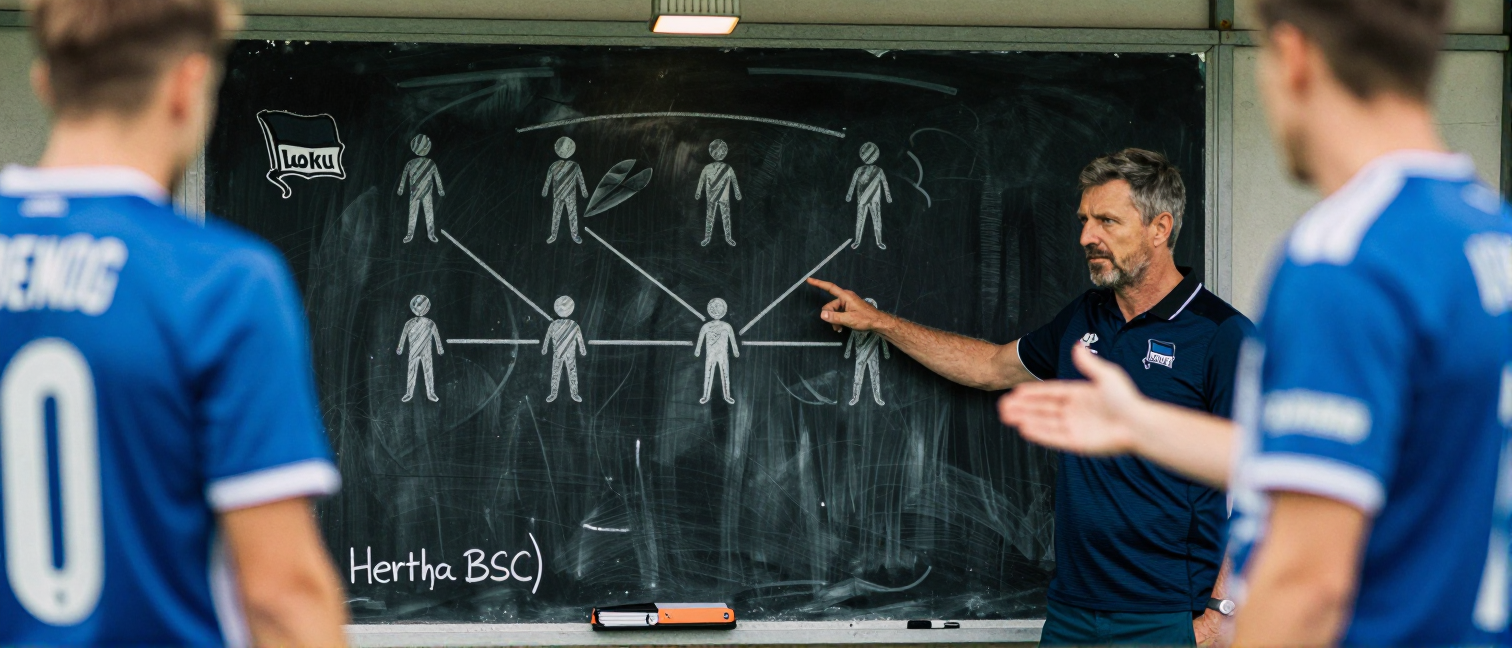
Steady rain blanketed the Olympiastadion as Hertha BSC faced FC Schalke, and the tactical layout of the team was on full display. Under their current head coach, the team has adopted a fluid formation that often shifts between a 4-2-3-1 and a 4-3-3 during various phases of play. This change aims to enhance both offensive and defensive versatility.
The highlight of this tactical evolution is the integration of young talents alongside seasoned players. In midfield, the interplay between players like Jesaia Götze and Marco Richter has proven essential, allowing for dynamic transitions that keep opponents on the back foot. Their ability to interchange positions offers unpredictability, making it challenging for defenses to keep shape.
A crucial aspect of the new system is the emphasis on high pressing. Hertha BSC aims to regain possession quickly through coordinated team pressing, leveraging the speed of their forwards. "We must assert our dominance early," said the head coach following a recent match. This philosophy echoes in their approach, as evidenced by their recent victory against Mainz, where they monopolized possession and created numerous chances.
Defensively, the formation's adaptability becomes key. Players must remain alert, shifting from offensive to solid defensive blocks seamlessly. The overall conditioning of players enhances this style, allowing them to execute high-intensity bursts without compromising shape.
As the season progresses, it will be intriguing to see how Hertha BSC continues to refine these tactics and whether this strategy translates into consistent results on the pitch. Fans eagerly anticipate the next match as the team evolves.